
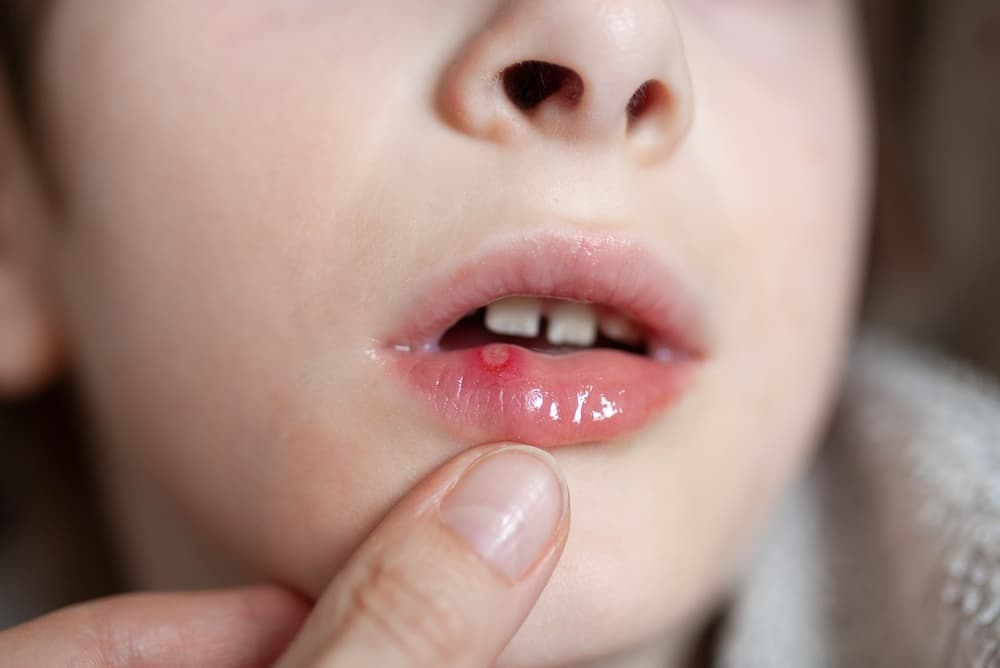
One moment your child is running across the lounge room, and the next there are tears and a front tooth that does not look quite right. Perhaps there is a rough edge, or a small piece is clearly missing. It only takes a tumble or a bump to chip the tooth, and it is natural to wonder whether it needs attention, especially if it is a baby tooth.
A chipped tooth is one of the most common dental injuries in childhood, and most can be treated simply and comfortably. At Iris Dental, a trusted dentist in Point Cook, families are guided on what to do after a chip, which signs to look out for and how to protect growing smiles. This guide explains the causes, the first steps to take and the treatment options so you can feel confident caring for your child.
What Is a Chipped Tooth?
A chipped tooth happens when a small piece of the hard outer layer of the tooth, the enamel, breaks away. Some chips are tiny and barely noticeable, while others are larger and may reach the softer layers inside the tooth.
Chipped teeth are especially common in young children. Baby teeth have thinner enamel than adult teeth, and toddlers are still developing the balance and coordination that help them avoid falls. This is why checking the tooth early is important, even when the chip looks small.
What Causes Chipped Teeth in Children?
Most chipped teeth in children are caused by everyday accidents rather than anything a parent has done wrong. Active play, curious exploring and growing independence all come with the occasional bump.
Some of the most common causes are listed below.
- Learning to walk and climb: Toddlers often trip or tumble onto floors, furniture and steps while they are still finding their balance.
- Playground and outdoor play: Falls from swings, slides, scooters and bikes can lead to knocks to the mouth.
- Sport: Football, netball, basketball and martial arts carry a risk of contact with a ball, another player or the ground.
- Biting something hard: Ice, hard lollies, popcorn kernels and chewing on toys or pencils can chip the edge of a tooth.
- Teeth grinding: Some children grind their teeth while they sleep, which can gradually wear and weaken the enamel.
- Tooth decay: Teeth weakened by decay have less healthy structure, so they are more likely to chip or break.
A chipped front tooth is the most common type in young children. The top front teeth sit forward in the mouth, so they usually take the impact when a child falls.
Chipped Tooth in Children, What to Do Straight Away
If your child chips a tooth, staying calm helps them settle too. A few simple steps can protect the tooth until it is checked by a dentist.
- Comfort your child. A soothing voice and a cuddle help them feel safe before you look at the tooth.
- Rinse gently. Use warm water to clean the mouth and remove any small fragments.
- Control any bleeding. Press a clean piece of gauze or a soft cloth gently against the area for about ten minutes, and check the lips and gums for cuts.
- Reduce swelling. Hold a cold cloth or wrapped ice pack against the outside of the lip or cheek.
- Save the broken piece. If you find the fragment, keep it in a small container of milk and bring it to the appointment.
- Ease any discomfort. Use a children’s pain relief product as directed on the label, and check with a pharmacist if you are unsure.
- Choose soft foods. Until the tooth is checked, avoid hard, crunchy, very hot or very cold foods and drinks.
Even if the chip looks small and your child seems fine, it is a good idea to book a dental visit. Taking a clear photo of the tooth on the day can also help your dentist see how it looked straight after the injury.
Signs a Chipped Tooth Needs Attention
A chipped tooth can look fine on the day but show changes in the days or weeks that follow. Lifting your child’s lip and checking the tooth during brushing is a simple way to spot these early. Signs to look out for include the following.
- A tooth that turns grey, brown or darker than the teeth around it
- Swelling, a small pimple or a sore spot on the gum above the tooth
- Ongoing pain, sensitivity or reluctance to eat
- A tooth that feels loose or has moved out of position
- A pink or red spot in the centre of the broken tooth
- Fever or trouble sleeping because of tooth pain
These changes can mean the nerve inside the tooth has been affected or an infection is developing. If you notice any of them, book a checkup rather than waiting for symptoms to worsen. Some injuries need prompt care. If a baby tooth is knocked out, do not try to put it back in, as this can damage the adult tooth developing underneath, but do see a dentist soon.
What Happens If a Chipped Baby Tooth Isn’t Checked?
It can be tempting to leave a chipped baby tooth alone, knowing it will fall out one day. However, baby teeth play an important role in your child’s development. They help children chew, speak clearly and hold space for adult teeth to come through in the right position.
An infant chipped tooth is very common, particularly between the ages of one and three. Many small chips cause no lasting problems, but a knock can sometimes affect the nerve inside the tooth, or the adult tooth developing beneath it, without obvious signs at first. If this goes unnoticed, it may lead to pain, infection or a dental abscess. A rough edge can also irritate the tongue or lip, and a weakened tooth may chip further.
A checkup after the injury allows your dentist to assess the tooth and the area around it, and to keep an eye on how it settles over the following weeks.
How to Prevent Chipped Teeth in Children
Not every bump can be avoided, but a few simple good oral hygiene habits can lower the risk of chipped teeth.
It starts at home. Keep an eye on toddlers as they learn to walk and climb, and consider padding sharp furniture corners and using safety gates on stairs. Encourage children to sit down while eating and drinking, as running with a cup or bottle in their mouth can lead to injuries.
For older children, a properly fitted mouthguard is one of the best ways to protect their teeth during sport, both at training and on game day. It also helps to discourage chewing on ice, hard lollies, pencils and toys, as these can easily chip the edge of a tooth.
Finally, regular dental visits and good daily brushing help keep teeth strong. Teeth weakened by decay are more likely to chip, so spotting and treating small problems early is one of the best ways to protect your child’s smile.
How a Chipped Tooth in Children Is Treated
Treatment depends on the size of the chip, whether the nerve has been affected and whether it is a baby tooth or an adult tooth. After a careful examination, a dentist may recommend one of the following options.
- Monitoring: Some small chips need no treatment, just a review to make sure the tooth stays healthy.
- Smoothing: A rough or sharp edge can be gently polished so it no longer irritates the tongue or lip.
- Tooth-coloured fillings: A material that matches the natural colour of the tooth is used to rebuild the missing part.
- Children’s crowns: If a larger part of a baby tooth has broken, a crown designed for children may be recommended to cover and protect it until it falls out naturally.
- Nerve treatment: If the break reaches the nerve, treatment may be needed to remove the damaged tissue and keep the tooth.
- Extraction: When a tooth cannot be saved, it may need to be removed. A space maintainer may then be suggested to keep the gap open for the adult tooth.
At Iris Dental, every option is explained clearly so parents can be part of the decision. Our team also takes a gentle, unhurried approach so that children feel safe and comfortable during their visit, especially after what may have been an upsetting experience.
A chipped tooth can be upsetting for children and parents alike, but with prompt care, most can be treated simply and comfortably. If your child has recently chipped a tooth, or you have noticed changes in a tooth after a fall, the team at Iris Dental is here to help.Our children’s dentistry service offers gentle, caring checkups in a calm and welcoming setting. To book an appointment at our Point Cook clinic, call (03) 9394 7877 or book online today.