
You might notice it while brushing your child’s teeth one evening. Perhaps it is a chalky white patch near the gumline, or a small brown spot on a back tooth. It is easy to wonder whether it matters, especially when baby teeth will eventually fall out. The answer is that it does, and catching it early can make a real difference.
Child tooth decay is one of the most common health conditions in childhood, yet it is also largely preventable. At Iris Dental, a trusted dentist in Point Cook, families are guided on how decay develops, what to look out for and how to keep growing smiles healthy. This guide explains the causes, early signs and treatment options so you can feel confident about protecting your child’s teeth.
What Is Child Tooth Decay?
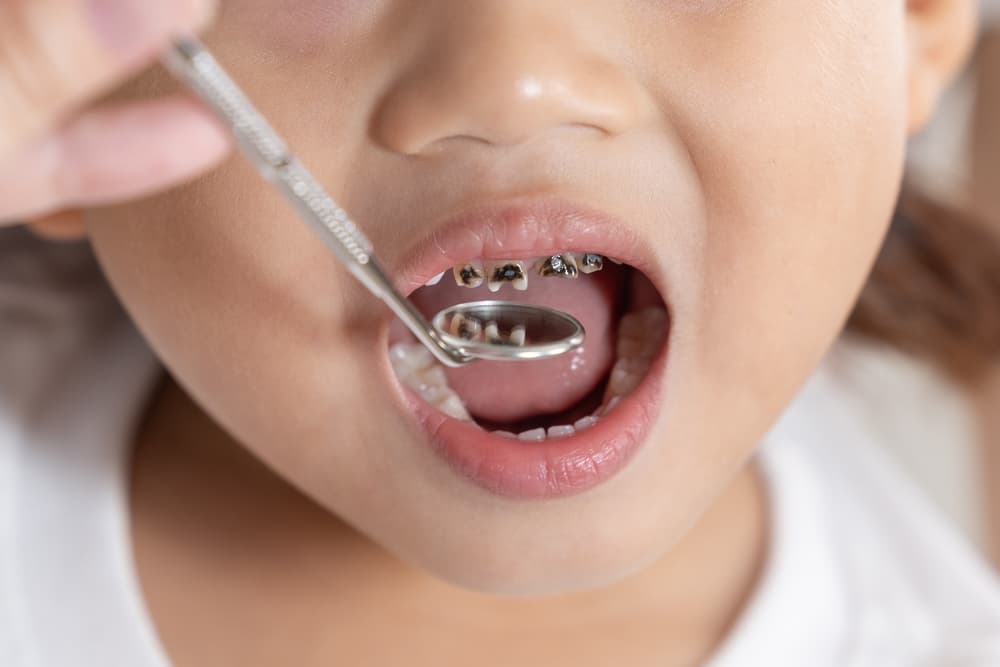
Tooth decay happens when the hard outer layer of a tooth, the enamel, is gradually broken down by acid. Over time, this weakening can form a hole in the tooth, known as a cavity. When decay affects babies and young children, dentists often call it early childhood caries.
Kids tooth decay can progress more quickly than decay in adults. Baby teeth have thinner enamel, which means acid can reach the softer inner layers of the tooth sooner. This is why regular checkups and good daily habits are so important from the very first tooth.
What Causes Decay in Children’s Teeth?
Everyone has bacteria in their mouth. When these bacteria feed on sugars from food and drinks, they produce acid that attacks the enamel. The more often teeth are exposed to sugar, the less time saliva has to neutralise that acid and help the enamel recover.
Some of the most common causes of early childhood caries are listed below.
- Frequent snacking and sipping. Grazing on snacks or sipping juice, cordial or flavoured milk throughout the day keeps teeth under constant acid attack. How often sugar is eaten matters as much as how much.
- Bottles or sippy cups at bedtime. Falling asleep with a bottle of milk, formula or juice lets sugars pool around the teeth overnight, when saliva flow is naturally lower.
- Inconsistent brushing. Plaque that is not removed each morning and night allows bacteria to keep producing acid against the teeth.
- Sticky and processed foods. Dried fruit, lollies, biscuits and crackers can cling to the grooves of back teeth long after eating.
- Sharing bacteria. Bacteria that cause decay can pass from parent to child through shared spoons, cups or cleaning a dummy in your own mouth.
- Not enough fluoride. Fluoride helps strengthen enamel and repair early damage, so missing out on it can leave teeth more vulnerable.
If you have ever wondered what causes your teeth to rot, the answer is the same for adults and children. It comes down to a combination of bacteria, sugar and time. The difference is that young teeth are less resilient, so these factors can lead to decay more quickly.
Early Signs of Kids’ Tooth Decay
In its early stages, decay often causes no pain at all, which is why it can go unnoticed. Lifting your child’s lip and checking their teeth during brushing is a simple way to spot changes early. Signs to look out for include the following.
- Chalky white spots or lines, often near the gumline of the top front teeth
- Light brown, dark brown or black spots on the teeth
- Small holes or pits, particularly in the grooves of back teeth
- Sensitivity to cold, hot or sweet foods and drinks
- Complaints of toothache, or avoiding chewing on one side
- Swelling of the gums or persistent bad breath
White spots are especially worth noting. At this stage, the enamel has started to weaken but may not yet have formed a cavity, so early care may help reverse or slow the damage. If you notice any of these signs, it is a good idea to book a checkup rather than wait for symptoms to worsen.
What Happens If Decayed Children’s Teeth Aren’t Treated?
It can be tempting to leave decay in a baby tooth, knowing it will be replaced. However, baby teeth play an important role in your child’s development. They help children chew, speak clearly and hold space for adult teeth to come through in the right position.
When decayed children’s teeth are left untreated, the decay can spread deeper into the tooth and reach the nerve. This may lead to pain, infection or a dental abscess. Children in discomfort may have trouble eating, sleeping or concentrating at school. If a baby tooth is lost too early, nearby teeth can drift into the gap, which may affect how adult teeth come through later.
How Tooth Decay in Children Is Treated
Treatment depends on how far the decay has progressed and on your child’s age and comfort. After a careful examination, a dentist may recommend one of the following options.
- Fluoride treatment. For early white spots, a professional fluoride application may help strengthen the enamel and support remineralisation.
- Fillings. Where a small cavity has formed, the decayed part of the tooth is removed and filled with a material that matches the natural colour of the tooth.
- Children’s crowns. If a baby tooth has extensive decay, a crown designed for children may be recommended to cover and protect what remains of the tooth until it falls out naturally.
- Extraction. When a tooth cannot be saved, it may need to be removed. A space maintainer may then be suggested to keep the gap open for the adult tooth.
At Iris Dental, every option is explained clearly so parents can be part of the decision. Our team also takes a gentle, unhurried approach so that children feel safe and comfortable during their visit.
How to Prevent Tooth Decay in Children
The good news is that most decay in children’s teeth can be prevented with simple, consistent habits at home.
It starts with brushing twice a day. Help your child brush every morning and night for two minutes using a fluoride toothpaste suited to their age, and encourage them to spit rather than rinse so the fluoride can keep protecting their growing smile. Your dentist can advise on the right type and amount. Most young children need a parent’s help until they have the coordination to clean every surface well on their own, so staying involved is one of the best ways to encourage good oral hygiene habits.
What your child eats and drinks matters just as much. Make tap water their main drink and limit juice, cordial and soft drinks. Keeping sweet foods to mealtimes means fewer snacking occasions, giving saliva time to repair the enamel in between. At bedtime, avoid bottles of milk or juice. If your child needs a bottle to settle, water is the safest choice.
Once your child’s teeth start to touch, it is time to begin flossing. Cleaning between the teeth removes plaque that a toothbrush cannot reach.
Finally, regular dental visits help stop small problems from becoming bigger ones. A first visit by your child’s first birthday, followed by routine checkups, means any early signs of decay can be spotted and treated sooner.
Protect Your Child Smile from Tooth Decay
Child tooth decay is common, but with good habits and regular checkups, it does not have to be part of your child’s story. If you have noticed any changes in your child’s teeth, or it has simply been a while since their last visit, the team at Iris Dental is here to help.
At Iris Dental, your local Point Cook dentist, our children’s dentistry service offers gentle, caring checkups in a calm and welcoming setting. To book an appointment at our Point Cook clinic, call (03) 9394 7877 or book online today.